
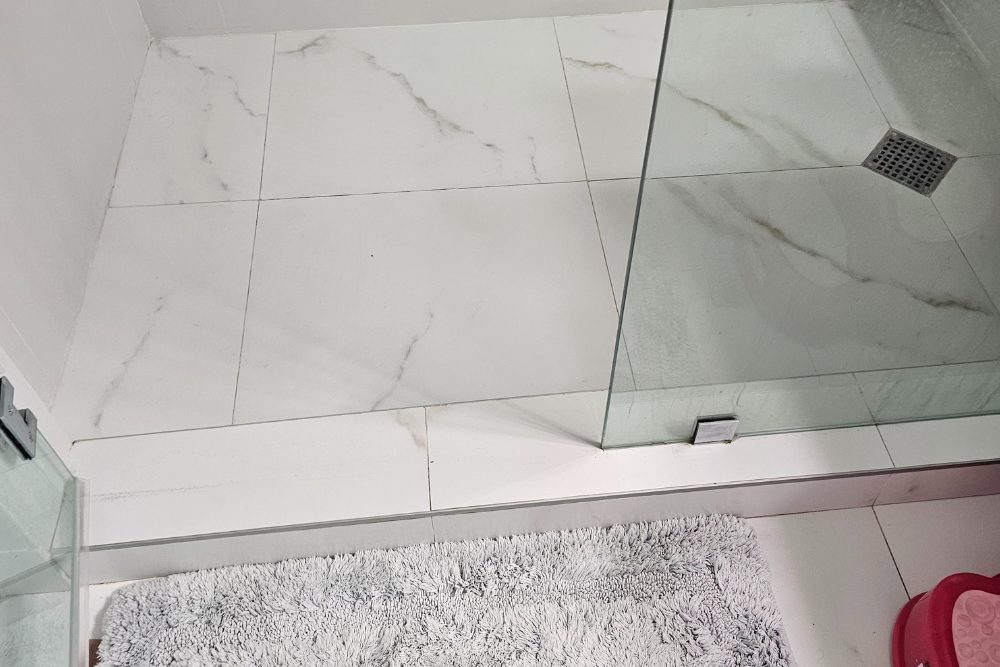
A local carpet cleaning company often sees how moisture problems affect homes, and shower mold is one of the most common issues homeowners face. This guide will show you simple ways to prevent mold out of your shower grout and maintain a clean bathroom. You’ll learn about ventilation tips, cleaning methods, product choices, and maintenance steps. These practical solutions help you create a healthier bathroom environment. Following these steps will save you time and money on costly repairs later.
Proper Ventilation
Good airflow is your best defense against mold in shower grout. Please turn on your exhaust fan before you start showering and keep it running for 30 minutes after you finish. This removes the damp air that mold loves. If you don’t have a fan, open a window to let fresh air circulate. Moving air helps dry out wet surfaces quickly. Mold grows fast in still, humid air, so keeping air flowing is key. Make this a daily habit, and you’ll see much less mold in your shower.
Regular Cleaning Routine
Clean your shower grout weekly to prevent mold from forming. Use an old toothbrush or small scrub brush to remove dirt from grout lines. Make a simple cleaner by mixing equal parts water and white vinegar, or use water and baking soda instead. Spray this mix on the grout and let it sit for 5 minutes. Scrub the lines well, then rinse with clean water. Dry everything with a towel when done. This weekly routine keeps mold away and makes your bathroom look fresh and clean.
Use Mold-Resistant Products
Choose products made to fight mold for better protection. When installing new tile, pick mold-resistant grout that has special ingredients to stop mold growth. Buy caulk and sealants labeled as mold and mildew-resistant. These products work longer than regular ones and give you better results. Replace your shower curtain and bath mats with mold-resistant versions, too. Check these items often and replace them when they start to wear out. Using the right products makes preventing mold much easier.
Repair Grout and Sealants
Check your grout and sealants every month for damage. Look for:
- Cracks or gaps in grout lines
- Dark spots that show water damage
- Peeling or loose sealant around fixtures
- Areas where water might be getting in
Fix problems right away using fresh grout or new sealant. Remove old, damaged material completely before applying new products. Make sure everything is dry before you start repairs. Proper sealing keeps water out and stops mold from growing behind your tiles.
Dry Shower Area After Use
Remove water from your shower after every use. Use a squeegee on walls and glass doors to push water toward the drain. Wipe down all surfaces with a dry towel, including faucets and handles. Leave the shower door open so air can move through and dry everything faster. If your bathroom stays very humid, consider using a small dehumidifier to pull moisture from the air. These simple steps take just a few minutes but make a big difference in preventing mold.
Monitor and Address Leaks
Check for leaks regularly to keep your shower dry. Look at the showerhead, faucet handles, and pipes for any dripping water. Test grout lines by watching for water seeping through. Fix leaks as soon as you find them – replace worn seals, tighten loose parts, or call a plumber for bigger problems. Small leaks create big mold problems if you ignore them. Staying on top of repairs keeps your bathroom healthy and saves money on major fixes later.
Related Topics:


