Dealing with mold on tile grout can be frustrating, but fixing it doesn’t have to be hard. This guide walks you through simple steps to clean moldy grout and prevent it from returning. Many homeowners face this problem in bathrooms and kitchens, where moisture builds up. Experienced carpet cleaners often recommend similar techniques for tackling tough stains and mold issues throughout the home. With the right supplies and methods, you can get your grout looking clean and fresh again.
Identifying the Mold
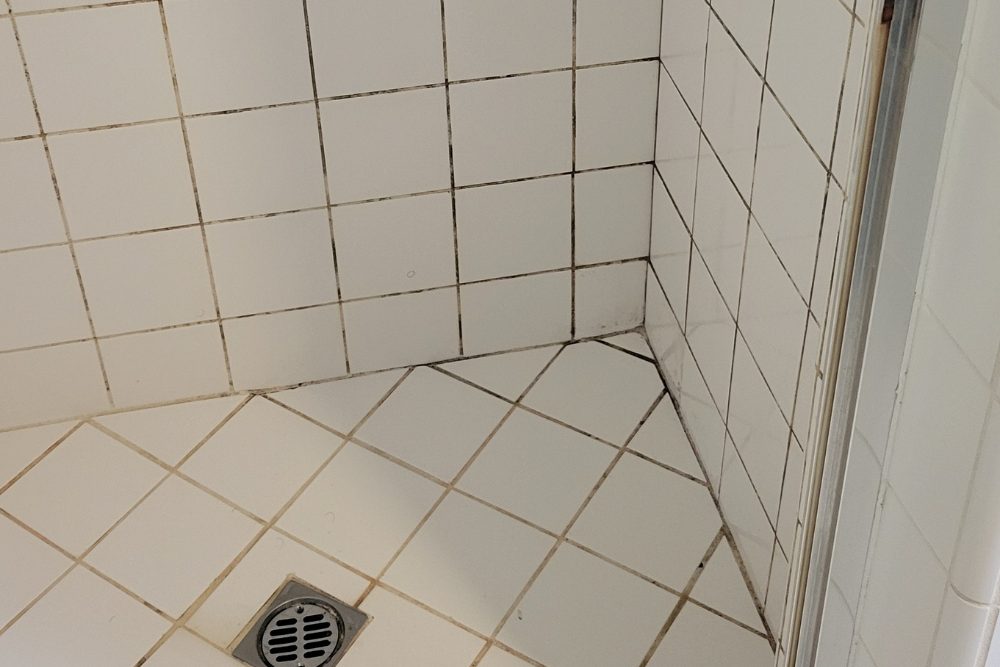
Look for dark spots or patches on your grout that seem fuzzy or slimy. Mold loves wet places, so check areas near showers and sinks first. Act fast when you spot mold to stop it from spreading to other areas. Mold can be black, green, or even pink. The fuzzy or slimy feel helps tell mold apart from regular dirt or soap buildup. Sometimes mold smells musty, too, which makes it easier to find. Remember that mold can cause health problems for people with allergies or breathing issues. Finding mold quickly is the first step to getting rid of it.
Gathering Supplies
Get all your cleaning supplies ready before you start. You’ll need rubber gloves to protect your hands, a face mask for breathing safety, and safety glasses for your eyes. For cleaning, grab a stiff brush or old toothbrush, a spray bottle, white vinegar, baking soda, hydrogen peroxide, or store-bought mold cleaner. Also, have clean rags or paper towels ready for wiping and drying. To stop mold from growing back, consider getting grout sealer made just for this job. Having everything ready before you start makes the cleaning job go more smoothly and efficiently.
Preparing the Area
Set up your workspace before you begin cleaning. Open windows or turn on fans to get fresh air moving through the room. Put on your protective gear, like gloves and a mask. Move any items away from the moldy grout so you have room to work. Put down old towels or a plastic sheet to protect your floor from drips and spills. Keep all your cleaning supplies close by so you don’t have to stop once you start. Have a bucket of warm water ready for rinsing tools and a trash bag for throwing away dirty materials. Good preparation makes the job easier and more successful.
Applying Cleaning Solution
Mix equal parts water and white vinegar in a spray bottle for a safe and effective cleaning solution. Shake the bottle well so everything mixes properly. Spray the solution heavily on the moldy grout lines, making sure to cover all the affected spots. Let the cleaning solution sit for 10-15 minutes so it can soak into the mold and break it down. The acid in vinegar helps kill mold spores and makes the mold easier to remove from the grout. This waiting step is important because it prepares the mold for easy removal when you start scrubbing.
Scrubbing and Rinsing
Use a stiff brush or an old toothbrush to scrub the treated grout areas thoroughly. Work the brush back and forth along the grout lines, pressing firmly to remove the loosened mold. For tough spots, use circular motions to break up stubborn mold patches. Rinse the area well with clean water, washing away all the cleaning solution and mold pieces. Make sure no leftover residue remains on the surface. Repeat the scrubbing and rinsing steps if needed until the grout looks clean and mold-free. Good rinsing prevents any remaining mold spores from regrowing.
Preventing Future Mold
Keep mold from coming back by cleaning regularly and improving air flow. Set up a weekly cleaning routine using mild soap or a vinegar solution on the grout lines. Make sure grout dries completely after each cleaning to stop new mold from growing. Use bathroom fans or open windows during and after showers to reduce humidity. Apply grout sealer every 6 months to add extra protection against moisture. These simple habits in your regular cleaning routine will help prevent mold from returning to your tile grout surfaces.
Related Topics: