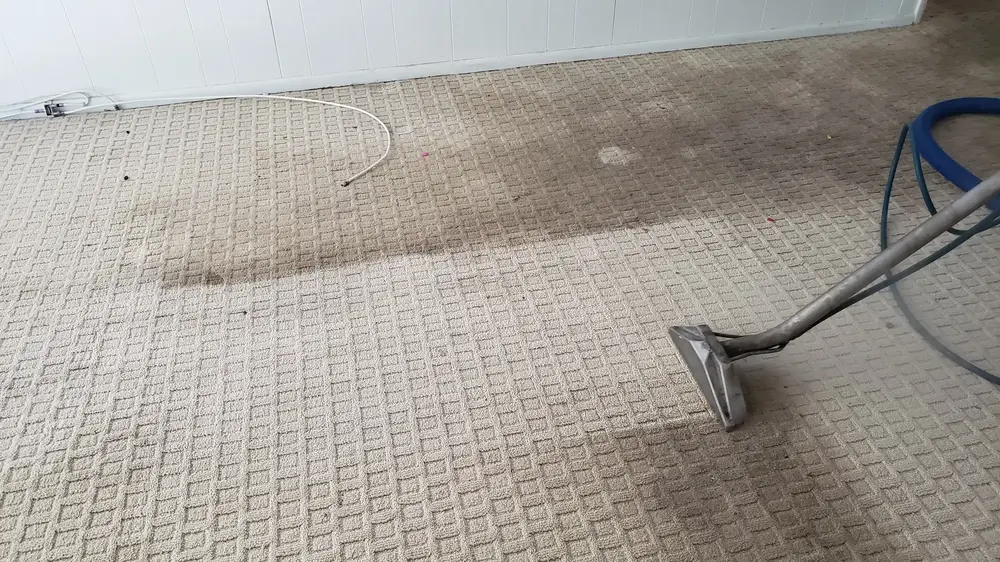
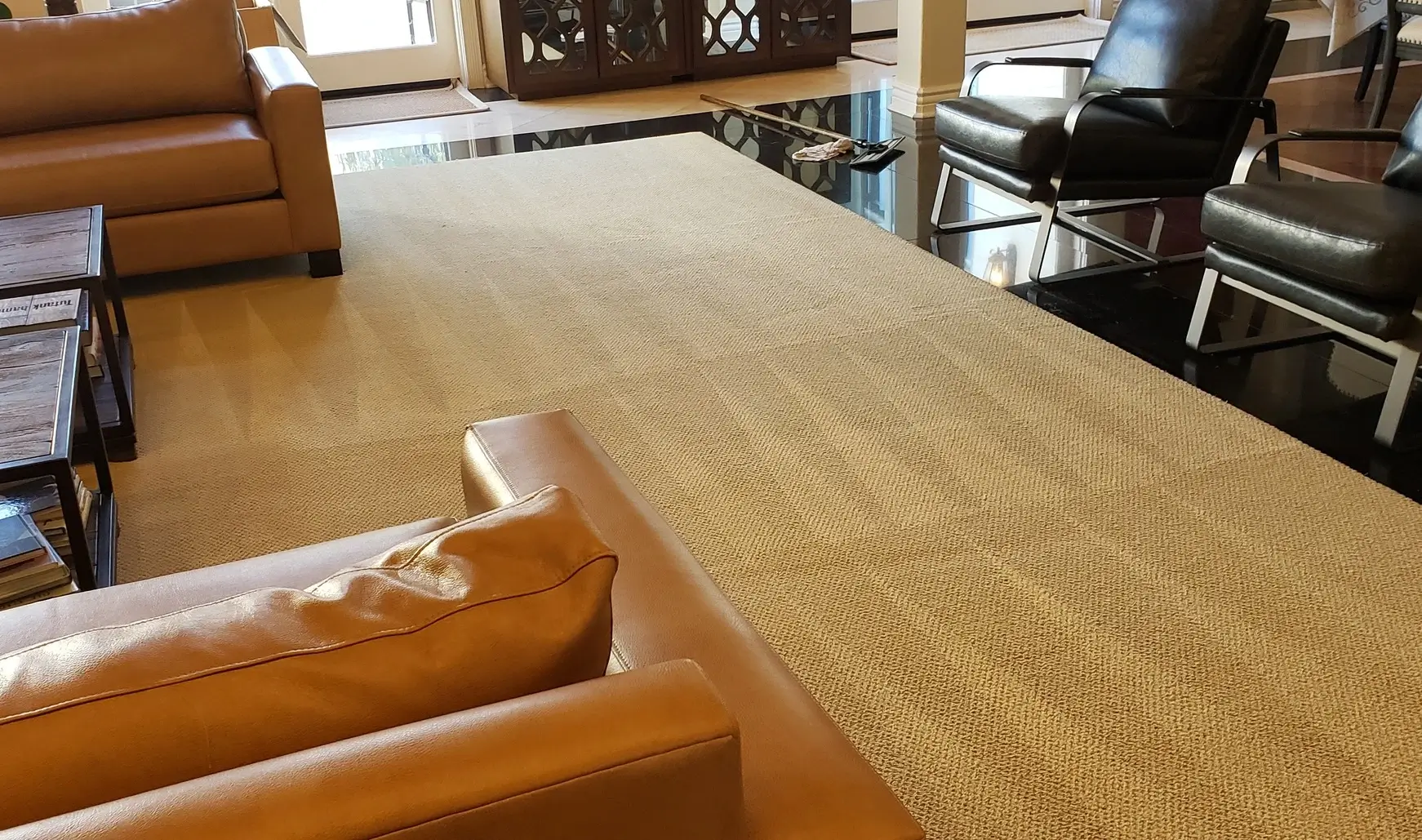
Vacuuming handles surface-level debris well enough, but dirt, sand, and fine particles that have worked their way into the fiber structure of a carpet are a different problem. Regular vacuuming does not reach them, and over time they act as an abrasive that wears down carpet fiber from the inside. That is where an efficient carpet cleaning team in Los Angeles makes all the difference.
Professional hot water extraction reaches what home cleaning cannot. Here is how the process works and why it matters for the long-term condition of your carpet.
Why Dirt and Sand Accumulate Below the Surface
Carpet fiber is not flat. Under a microscope, it looks more like a twisted or looped structure depending on the fiber type. Dirt particles, fine sand, and grit fall through the upper layer and settle into the lower portion of the pile where airflow from vacuuming can no longer dislodge them effectively.
In Los Angeles, outdoor soil tracked inside tends to include fine sandy particulate and urban debris. The higher the foot traffic, the faster this buildup occurs. Each footstep compresses and works these particles deeper into the fiber structure.
How Vacuuming Falls Short for Embedded Soil
A home vacuum, even a strong one, creates suction that works well on particles sitting at or near the surface. Once soil is embedded in the lower pile, the airflow from a standard vacuum does not generate enough force to pull it loose. The brush roll on most vacuums helps agitate surface debris but does not reach down to embedded material.
Regular vacuuming is still worth doing. It prevents new surface soil from working its way deeper. It does not substitute for professional extraction when embedded buildup is already present.
The Pre-Cleaning Process: Starting With Industrial Vacuuming
Our carpet cleaning process starts before any moisture is introduced. We run an industrial-grade vacuum over the entire area to pull out as much dry soil as possible before we begin extraction. Industrial vacuums operate at suction levels and with filtration capacity that consumer equipment does not match.
This step matters because dry soil left in the carpet when hot water is injected can turn to a slurry that is harder to extract fully. Removing dry load first means the extraction step can focus on what was embedded rather than what was sitting closer to the surface.
How Hot Water Extraction Reaches Embedded Dirt and Sand
Truck-mounted hot water extraction is the IICRC-recommended method for carpet cleaning. Our truck-mounted system injects high-pressure hot water deep into the carpet fiber structure, past the surface layer to where embedded soil has settled. The water loosens the particles from the fiber, and the extraction system immediately pulls them out along with the moisture.
The pressure and suction capacity of a truck-mounted system are substantially higher than portable rental units. That difference in mechanical force is what allows the process to reach embedded soil that surface cleaning misses entirely.
How Embedded Soil Damages Carpet Over Time
Sand and grit embedded in carpet fibers act as an abrasive. Every step across the surface grinds those particles against the fiber. Over months and years, this friction cuts down the fiber structure, causing matting, dullness, and accelerated wear in high-traffic areas.
The IICRC and most carpet manufacturers note that regular professional cleaning is part of proper carpet maintenance precisely because of this abrasion mechanism. Removing embedded particles before they cause structural damage extends carpet life significantly.
How Often Professional Cleaning Is Needed
For most residential carpets under normal use, the IICRC recommends professional cleaning every 12 to 18 months. Homes with pets, children, or high foot traffic benefit from cleaning every 6 to 12 months. Waiting longer allows soil buildup to reach levels where damage to the fiber has already occurred.
High-traffic areas in Los Angeles homes like entryways, hallways, and living rooms near exterior doors accumulate embedded soil faster than low-traffic rooms. These areas benefit from more frequent vacuuming between professional cleanings.
Pair Cleaning With Carpet Protection
After extraction, we offer carpet protection treatment as an optional add-on. Carpet protection is a fiber-coating application that repels liquid and oil-based particles and slows the rate at which soil works back down into the fiber. Most carpet manufacturers include protection application in their maintenance recommendations. It does not prevent embedded soil indefinitely, but it extends the time between professional cleanings when applied correctly after extraction.
Related Topics: