Professional carpet cleaners in Los Angeles generally work with one of two methods: steam cleaning or dry cleaning. Each operates differently, delivers different results, and fits different situations. For most homeowners, one is the stronger choice for routine and deep cleaning, while the other serves a more specific role.
Here is a direct comparison of what each method does, where each works well, and what the evidence says about results.
What Is Steam Cleaning (Hot Water Extraction)?
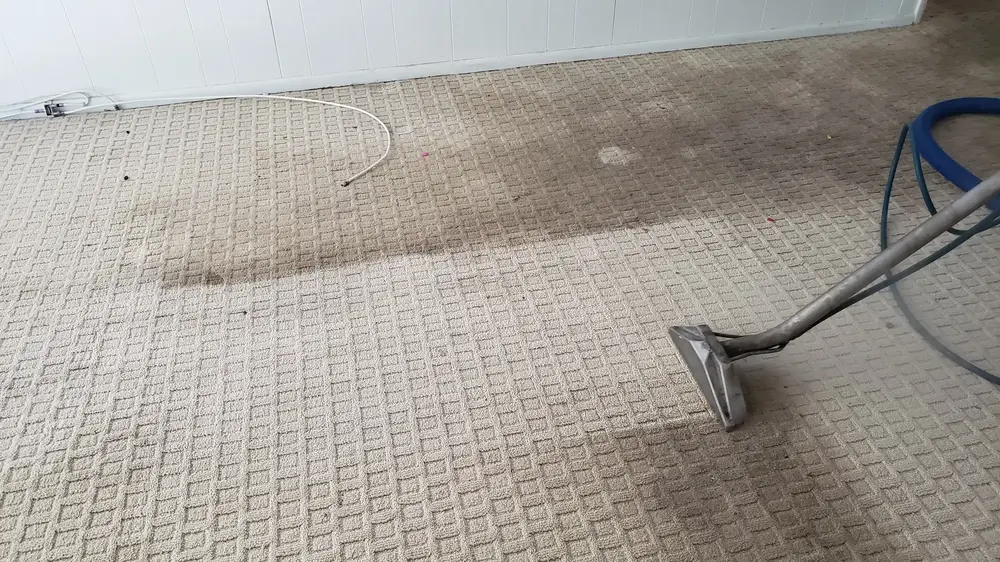
Steam cleaning is a common name for hot water extraction. Despite the name, it does not use steam in the conventional sense. It injects high-pressure hot water into carpet fibers at a temperature high enough to loosen and dislodge embedded soil, allergens, and bacteria. The extraction system simultaneously pulls out the water along with everything it has loosened.
Hot water extraction is the method most recommended by carpet manufacturers and the IICRC, the Institute of Inspection Cleaning and Restoration Certification. It is the professional standard for residential carpet cleaning.
Truck-mounted hot water extraction is the professional-grade version. Our truck-mounted system is powered by the vehicle’s engine, which generates significantly more heat and suction than portable units. That difference directly affects how deep the cleaning reaches and how much moisture is removed during extraction.
What Is Dry Carpet Cleaning?
Dry carpet cleaning covers several low-moisture methods. The most common involves applying a chemical compound, powder, or foam to the carpet, working it into the fiber with a machine, and then vacuuming it out. The cleaning action comes from the chemical agents rather than from heat and pressure.
Dry cleaning methods require little to no drying time because minimal moisture is introduced. This makes them practical in settings where quick turnaround matters, such as commercial spaces or hospitality environments where floors cannot be out of service for hours.
Which Method Cleans More Deeply?
Hot water extraction reaches deeper into the carpet pile. The combination of heat, pressure, and suction physically penetrates and flushes the fiber structure. Embedded soil, fine particles, allergens, pet dander, and bacteria that have worked into the lower pile are dislodged and extracted.
Dry cleaning methods work primarily at the surface layer. The chemical compounds contact and clean what they reach, but they do not penetrate as deeply as pressurized hot water. For routine light-soil maintenance, this is often adequate. For embedded contamination, biological odors, or heavily soiled carpet, it is not.
When Dry Cleaning Has a Role
Dry cleaning methods are better suited to situations where drying time is a hard constraint, where carpet cannot be exposed to moisture, or where light maintenance cleaning is needed between deeper professional services. Some delicate fiber types also tolerate low-moisture methods better than full wet extraction.
For the typical Los Angeles home with standard residential carpet, dry cleaning does not replace the depth that hot water extraction provides on a regular maintenance schedule.
A Note on Chem-Dry’s Low-Moisture Method
Chem-Dry, one of the national brands in this category, uses a carbonated low-moisture cleaning approach marketed as eco-friendly and faster-drying than hot water extraction. Their method can be effective for surface soil and light refreshing. The IICRC does not list low-moisture carbonation as the recommended standard for deep cleaning. For heavy soil, pet contamination, or allergen removal, truck-mounted hot water extraction produces more thorough results.
Chem-Dry operates as a national franchise with variable crew quality across locations. We are owner-operated and IICRC certified, with our own team on every job.
Our Method and Why We Use It
We use truck-mounted hot water extraction on every carpet cleaning job. It produces the most thorough results across the range of conditions found in Los Angeles homes, from light surface soil to heavily contaminated pet households. Our products are eco-friendly, pet-safe, and kid-safe, with no chemical residue and no masking agents.
Related Topics: