
Did you know that indoor air can be up to 5 times more polluted than outdoor air? 🤯 From dust mites to toxic VOCs, hidden pollutants can trigger allergies, asthma, and long-term health problems. But don’t worry—by making a few simple changes, you can create a healthier, fresher home environment. Let’s dive into practical strategies that will help you breathe easier!
According to the Environmental Protection Agency (EPA), indoor air can be 2 to 5 times more polluted than outdoor air. The World Health Organization (WHO) also links long-term exposure to poor indoor air quality with increased risks of asthma, cardiovascular disease, and lung infections.

Understanding indoor air pollutants—from dust mites to volatile organic compounds (VOCs)—is essential for creating a healthier living space. These allergens and irritants accumulate over time, posing health risks to you and your family.
In this article, we’ll explore effective strategies to enhance indoor air quality.
✅ Common indoor air pollutants (and how to eliminate them).
✅ Practical strategies to improve air circulation and reduce allergens.
✅ Expert-recommended cleaning solutions to keep your home fresh.
Let’s dive in and start breathing cleaner air! 🚀
NOTE: Some of the links on this page will lead you to Amazon. These are items we use in our own home to combat air quality issues. If you use these links, we may earn a commission!
Identifying Common Indoor Air Pollutants and Allergens
Indoor air pollution often comes from everyday household items. Without proper ventilation, these pollutants can accumulate to unhealthy levels and seriously impact your indoor environment and can pose significant health risks. Here are some of the most common culprits:
1️⃣ Dust Mites 🏠
What Are Dust Mites? Dust mites are microscopic creatures that thrive in warm, humid environments, particularly in bedding, carpets, and upholstered furniture. Feeding on dead skin cells, these tiny pests are common culprits behind allergy symptoms like sneezing, congestion, and itchy eyes. Studies from the American Lung Association (ALA) show that dust mites are a leading trigger of allergic reactions, contributing to asthma symptoms in children and adults. While completely eradicating them may be impossible, there are effective steps you can take to keep them under control.
How to Handle Dust Mites:
🛏️ Wash Bedding Regularly Launder your bedding weekly in hot water to kill dust mites and remove allergens. In the event of an infestation, consider investing in professional carpet and upholstery cleaning.
🛡️ Use Allergen-Proof Covers Protect your mattress and pillows with allergen-proof covers to create a barrier that keeps mites out.
🧹 Vacuum Smartly Clean carpets and upholstered furniture using a vacuum cleaner with a high-efficiency particulate air (HEPA) filter to trap dust mites and allergens more effectively.
🧼Schedule Deep Carpet Cleaning Dust mites thrive in carpets, so thorough carpet cleaning is essential.
2️⃣ Pet Dander 🐾
Living with Pets and Allergies Furry friends bring immense joy, but they can also be significant sources of allergens. Pet dander—tiny skin flakes shed by animals—linger in the air and settle on surfaces, often aggravating allergies and asthma. In fact, pet allergies are among the most common types of allergies. Fortunately, there are steps you can take to minimize their effects.
How to Handle Pet Allergies:
🛁 Groom Your Pets Brush and bathe your pets regularly to reduce the amount of dander they shed.
🚫 Create Pet-Free Zones Keep pets off furniture, use special pet bedding, or designate certain rooms as pet-free zones. Professional upholstery cleaning removes pet hair and dander trapped in fabric.
🌀 Use Air Purifiers Place an air purifier with a HEPA filter in pet-heavy areas to trap dander and airborne allergens effectively.
3️⃣ Mold & Mildew 🌫️
Why Is Mold a Problem? Mold spores thrive in damp areas with poor ventilation, such as bathrooms, kitchens, and basements. The growth of mold and mildew causes unpleasant odors and can also lead to respiratory problems and worsen allergies. The Centers for Disease Control and Prevention (CDC) warns that mold exposure can lead to coughing, wheezing, throat irritation, and long-term lung damage in people with respiratory conditions.
How to Handle Mold and Mildew:
🧹 Keep It Clean Regular cleaning of bathrooms, sinks, and hidden damp spots, like refrigerator drip trays, to prevent mold buildup.
🔧 Fix Leaks & Improve Ventilation Repair any leaks promptly and use exhaust fans to enhance airflow in areas prone to dampness.
🌬️ Control Humidity Use a dehumidifier to maintain humidity levels between 30–50%, discouraging mold growth.
4️⃣ Pollen 🌼
Pollen and Seasonal Allergies. Although typically an outdoor allergen, pollen can easily find its way inside through open windows, doors, clothing, and even your pets. Once indoors, it can aggravate allergy symptoms and respiratory conditions, making it essential to limit its presence in your home.
How to Handle Pollen Allergies:
🏡 Close Windows During High Pollen Seasons Prevent pollen from entering your home by keeping windows and doors shut, especially on windy days or during peak pollen hours.
👕 Wash Up After Outdoor Activities Change clothes and wash your hands after spending time outdoors to stop pollen from spreading indoors.
🧹 Vacuum Regularly Use a vacuum cleaner with a HEPA filter to remove accumulated pollen from carpets, rugs, and furniture.
5️⃣ Volatile Organic Compounds (VOCs) 🏭
What Are VOCs? Volatile Organic Compounds, or VOCs, are chemicals released by common household items such as paints, cleaning products, furniture, and air fresheners. These indoor air pollutants can lead to a range of health effects, from headaches and throat irritation to nausea and even long-term organ damage.
How to Reduce Exposure to VOCs:
🎨 Opt for Safer Products Choose low-VOC or VOC-free paints, cleaning products, and other household items to reduce chemical emissions.
🌬️ Proper Ventilation Ensure proper airflow whenever using household chemicals by opening windows, running exhaust fans, or working outdoors if possible.
🕯️ Avoid Synthetic Fragrances Skip synthetic air fresheners and scented candles in favor of natural alternatives to limit exposure to harmful compounds.
♻ Switch to Non-Toxic Cleaning Products – Our eco-friendly cleaning services use green-certified solutions.
6️⃣ Particulate Matter (PM2.5) 🔬
Why Is PM2.5 a Concern? Particulate matter, especially PM2.5, consists of tiny particles produced by activities like cooking, using wood-burning stoves, and burning candles. These microscopic particles can penetrate deep into your lungs, worsening asthma symptoms and increasing the risk of severe health issues, such as heart disease, stroke, and respiratory conditions. Smoke-related PM2.5 particles are especially harmful, and fire damage restoration is recommended after any fire event to ensure indoor air is safe and breathable.
How to Reduce Exposure to PM2.5:
🌬️ Use Air Purifiers Opt for an air purifier specifically designed to filter PM2.5 particles for cleaner indoor air.
🔄 Improve Ventilation Enhance airflow when cooking by using exhaust fans, opening windows, or installing proper ventilation systems.
🕯️ Limit Usage of Open Flames Reduce reliance on candles, wood-burning stoves, and fireplaces to minimize the release of harmful particles.
How Poor Indoor Air Quality Affects Health
Protecting your family begins with understanding the impact of poor indoor air quality. Common allergens, such as dust particles, pet dander, and pollen, can cause symptoms like headaches, fatigue, dizziness, and irritation of the eyes, nose, and sinuses.
Prolonged exposure to harmful indoor pollutants is linked to serious health issues, including asthma, chronic obstructive pulmonary disease (COPD), heart disease, and even lung cancer.
Beyond allergens, factors like humidity levels, inadequate ventilation, and the use of certain household products also contribute poor air quality. Taking steps to control these elements can significantly reduce health risks and improve your overall quality of life.
Creating a healthier living environment involves regular cleaning, managing indoor humidity levels, and ensuring proper ventilation. Adopting a proactive approach can transform your home into a healthier space for every family member.
🚀 How to Improve Indoor Air Quality & Reduce Allergens
We’ve explored several common pollutants and indoor allergens, from animal dander to VOCs, and identified practical ways to address them at their source. To further improve your environment and tackle allergy triggers, here are some other steps you can take to create a healthier, more comfortable living space.
1️⃣ Improve Ventilation
Proper ventilation is the cornerstone of fresh indoor air. By removing stale air and bringing in fresh air, you can reduce indoor pollutants, odors, and moisture, all while improving overall air quality. Here’s how you can achieve better airflow in your home:
🏡 Open Up Open windows and doors for 15–30 minutes daily for some natural ventilation—but skip this step during high-pollen seasons.
🚿 Use Exhaust Fans Make sure to use exhaust fans in bathrooms and kitchens to remove moisture and cooking odors efficiently.
💨 Upgrade Ventilation Consider installing an air conditioning unit and/or central heating system in tightly sealed homes to promote better circulation and continuous fresh airflow.
🌬️ Check HVAC Filters Regularly clean or replace HVAC filters to ensure your heating and cooling systems are circulating clean, fresh air.
2️⃣ Use HEPA Air Purifiers 🌬️
Air purifiers with HEPA filters are an effective way to reduce airborne allergens. These high-efficiency particulate air filters can trap 99.97% of particles, including dust mites, pet dander, and pollen, improving air quality and relieving allergy symptoms. Here’s how you can ensure you’re using your HEPA purifiers most effectively:
🛏️ Strategic Placement Position air purifiers in bedrooms and high-traffic areas where airborne particles are most likely to accumulate.
⚙️ Maintain Filter Efficiency Regularly clean or replace HEPA filters to ensure they continue operating effectively.
3️⃣ Maintain Proper Humidity Levels 💧
Too much moisture encourages mold growth and mildew build up, while overly dry air allows VOCs and particulate matter to concentrate. Maintaining the right humidity levels is crucial to both mitigate mildew growth and even manage things like seasonal allergies. Here’s a few ways you can control the humidity in your home:
💧 Monitor Humidity Keep indoor humidity between 30–50% using a hygrometer to prevent issues caused by both high and low humidity. If you’ve never heard of a hygrometer, that’s totally chill! Here’s a super affordable one we found on amazon!
🌫️ Use Dehumidifiers in Damp Areas Place a dehumidifier in spaces prone to dampness, such as basements, to reduce moisture levels effectively.
🔧 Address Moisture Sources Fix leaks promptly and dry wet surfaces immediately to prevent water buildup and mold growth. Regrouting and tile repair services offered by JP Carpet Cleaning Expert Floor Care are a great way to handle any possible leak issues.

4️⃣ Clean & Vacuum Regularly 🧹
Regular cleaning is your first line of defense against indoor allergens. By establishing simple routines, such as vacuuming weekly, wiping down surfaces, and washing bedding and blankets, you can significantly improve poor air quality. For a thorough clean, schedule deep cleaning sessions to target often-overlooked areas like under furniture and appliances. Here are some ways you can keep the allergens at bay:
🧹 Vacuum Weekly Use a HEPA-filter vacuum to effectively capture and remove allergens from carpets and floors.
🛏️ Wash Fabrics Regularly Wash bedding, curtains, and pet bedding in hot water weekly to eliminate dust mites and dander.
🧽 Dust the Smart Way Opt for a damp cloth while dusting to trap particles rather than spreading them into the air.
🧼 Schedule Steam Cleaning 📌 ✨ Special Offer: Get a Free Quote on Professional Steam Cleaning! Call (818) 263-9314 Now!
5️⃣ Reduce Chemical Pollutants 🧼
Many household products release harmful fumes that can lead to serious health issues. These harmful pollutants can cause severe symptoms. Minimizing these pollutants at the source is both the most effective and most economical way to reduce their effects. Here’s some ways you can reduce chemical pollutants in your home:
🌿 Choose Non-Toxic Alternatives Opt for natural cleaners like baking soda and vinegar instead of harsh chemical products.
🕯️ Avoid Synthetic Fragrances Steer clear of synthetic air fresheners and heavily scented candles, which often release volatile organic compounds (VOCs).
🌬️ Ensure Proper Ventilation Always ventilate spaces when using strong cleaning chemicals, adhesives, or paint to dilute harmful fumes.
6️⃣ Control Pet Allergens 🐕
Pets are family, but they can be significant sources of allergens. Here’s a few things you can do to control the pet allergens:
🛁 Groom Your Pets Regularly Bathe and brush your pets frequently to minimize shedding and reduce dander.
🧽 Damp Dusting Use a damp cloth for dusting to trap pet dander and prevent it from becoming airborne.
7️⃣ Add Houseplants for Natural Air Filtration 🌿
Some house plants can help absorb toxins and improve indoor air quality naturally. While all plants contribute to a fresher atmosphere, certain indoor plants are particularly effective. Here are a few you might consider, along with easy maintenance tips for each:
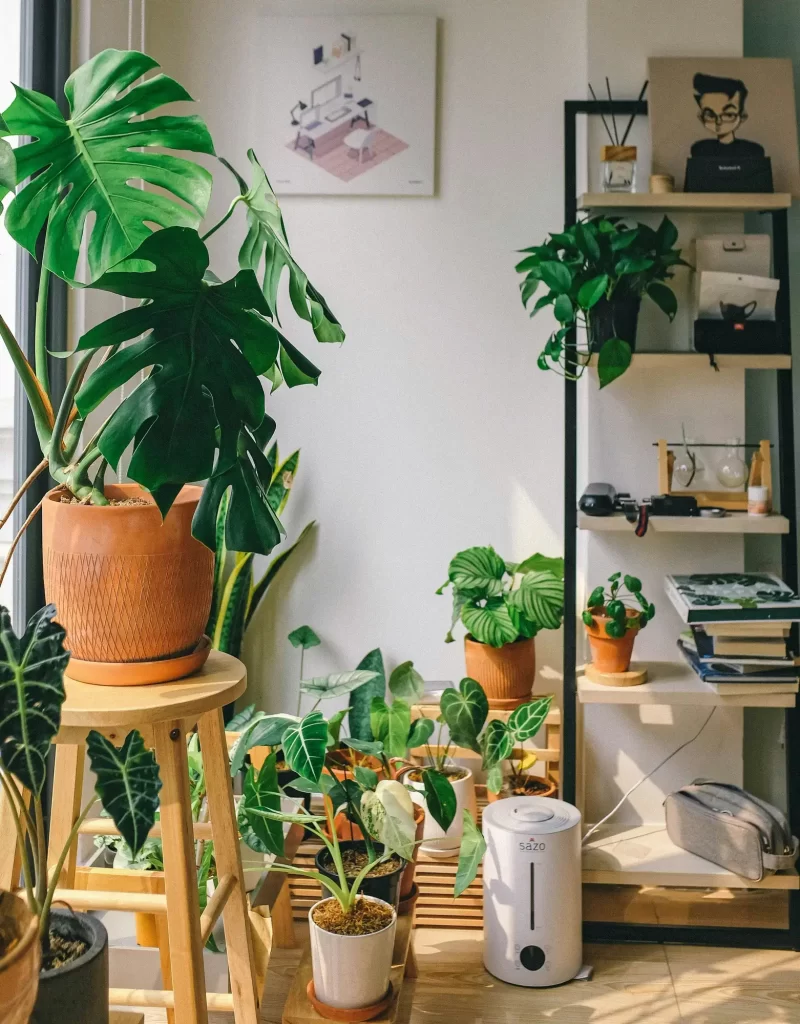
🌿 Peace Lily (Spathiphyllum) This elegant plant is known for filtering harmful pollutants like formaldehyde, benzene, and ammonia. It thrives in low to moderate light conditions and only needs weekly watering. Be cautious if you have pets, as it’s toxic to cats and dogs.
🍃 Snake Plant (Sansevieria) Nicknamed the “mother-in-law’s tongue,” this hardy plant is great for removing toxins like nitrogen oxides and formaldehyde. It prefers bright, indirect light but can tolerate low-light conditions. Water sparingly, as it thrives in dry soil.
🌱 Areca Palm (Dypsis lutescens) A natural humidifier, this palm filters indoor air and adds a tropical feel to your home. It enjoys bright, indirect light and needs its soil to remain slightly moist—water every few days and mist occasionally.
8️⃣ Monitor Your Indoor Air Quality 📊
An indoor air quality monitor can help detect allergen levels. By tracking CO2 levels, humidity, and VOCs, you can better understand potential issues and take actionable steps to improve your space. Regular testing provides valuable insights into allergen and pollutant levels, allowing for informed adjustments. Here’s a few steps you can take:
📍 Place Monitors Strategically Install air quality monitors in commonly used rooms to detect variations in pollutant levels effectively.
📋 Test and Assess Regularly Use at-home air-quality testing kits to measure pollutants like radon and VOCs. This will ensure consistent monitoring and feedback.
🤝 Collaborate with Healthcare Providers Work with healthcare professionals to understand how indoor air impacts allergies and incorporate findings into personalized health plans.
🚨 Recognizing Signs of Poor Indoor Air Quality
Maintaining the indoor air quality is essential for a healthy and comfortable home. Poor air quality often presents itself through persistent odors, visible mold, excessive dust, and unexplained respiratory symptoms—all of which require immediate attention. Indoor allergens such as dust mites, mold, and pet dander significantly impact air quality and should be addressed proactively. Regular HVAC inspections, proper filtration, and early detection of air quality issues are key to preventing long-term health risks.
Common Signs of Poor Indoor Air Quality:
Persistent odors
Visible mold
Excessive dust accumulation
Unexplained respiratory issues (or severe allergies)
🏡 Creating a Healthier Home Environment
Improving indoor air quality doesn’t have to be overwhelming. Small, consistent actions make a big difference:
Reduce pollutant sources by eliminating dust, mold, and pet dander.
Use air purifiers and replace HVAC filters regularly.
Prioritize cleaning—vacuum with HEPA filters, wash fabrics in hot water, and damp dust frequently.
Monitor humidity levels to prevent mold growth and maintain a balanced indoor climate.
A healthier home starts with these simple yet impactful steps. By improving ventilation, controlling allergens, and staying proactive, you create a space where your family can breathe easier and feel more comfortable every day.
💨 Want a Healthier Home?
📞 Call (818) 263-9314 for a FREE Consultation on Carpet & Upholstery Steam Cleaning!
💬 Have questions or tips? Drop a comment below—we’d love to hear from you!


