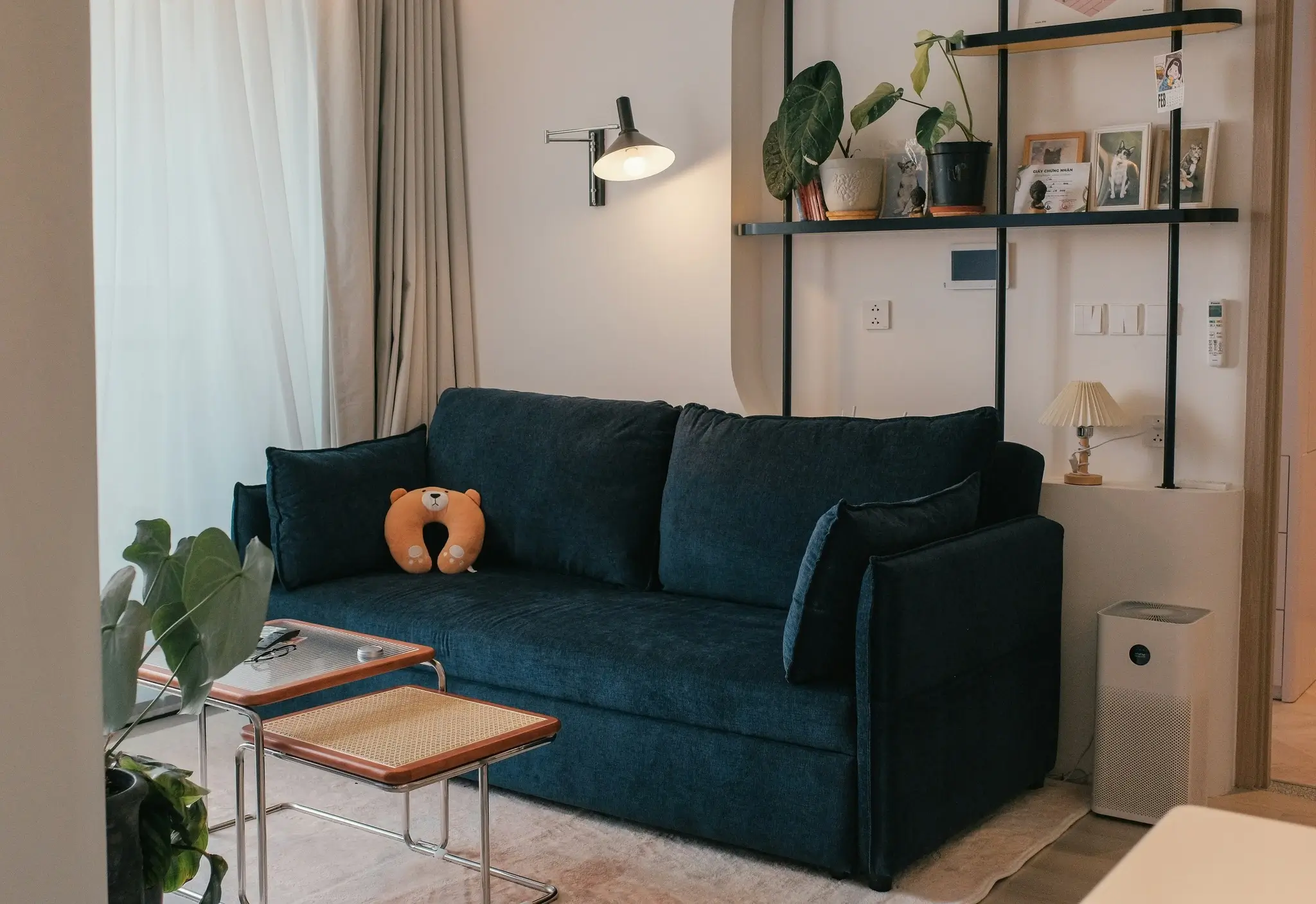
Upholstered furniture sees daily use but rarely gets the same cleaning attention as floors or countertops. That’s where professional upholstery cleaning services make a real difference. A sofa quietly absorbs body oils, skin cells, pet dander, dust mite waste, and food residue over time, most of it completely invisible until the buildup becomes significant.
Trusted upholstery cleaning addresses not just the visible grime on the surface, but everything that has settled deep into the fabric. Most sofas have been collecting that kind of contamination for two or three years before they even begin to look dirty.
What Builds Up in Fabric Upholstery Over Time
Fabric upholstery traps particles within the weave in a similar way to carpet, but the pattern of accumulation reflects how furniture is actually used. Body oils from skin contact work into the fiber in the areas of highest use: the center of seat cushions, armrests, and the back panel where head contact occurs. Those oils attract and hold additional soil over time, which is why high-contact zones develop visible soiling faster than sides and backs.
In pet households, dander and hair work into the weave with every contact, compounding the contamination load. Households with children add food residue to the mix. As a general guideline, sofas and chairs in daily regular use benefit from professional cleaning every 12 to 18 months. Furniture used less frequently can go 18 to 24 months. A piece that a pet uses as a regular resting spot should be considered for annual cleaning regardless of its visual condition.
The Fabric Care Code: What It Means Before Anything Is Applied
Upholstered furniture sold in the United States is required to carry a fabric care code on a tag, typically located underneath a cushion or attached to the lower frame. The codes are:
W means water-based cleaning agents are safe for this fabric. S means solvent-based cleaning only, and water-based products should not be applied. SW means either method is appropriate. X means vacuum only, and no liquid cleaning solution of any kind should be applied.
Applying a water-based method to S-coded fabric can cause immediate shrinkage, watermarking, or permanent texture change. Applying solvent to W-coded fabric can strip the fiber’s finish or cause fading. These are not minor cosmetic issues. They can permanently alter an expensive piece of furniture.
Peter checks the care code and confirms the fabric type on every upholstery cleaning job at JP Carpet Cleaning Expert Floor Care before any product is selected. The method follows from what the specific fabric can safely tolerate.
Why Microfiber Requires a Different Approach
Microfiber became one of the dominant upholstery materials in Los Angeles homes over the past two decades because it is durable, comfortable, and hides soil longer than most woven fabrics. It is also one of the materials that sees the most damage from improper cleaning, precisely because it seems forgiving right up until the wrong product or too much water is applied.
Most microfiber carries a W or SW code, but the fiber’s behavior when wet differs from most fabric types. Too much moisture causes water rings that remain visible as the fabric dries and are difficult to remove without a full rewetting and even extraction. Incompatible cleaning products leave residue that permanently changes the texture of the microfiber and causes faster resoiling. Standard steam cleaning equipment applied without understanding these characteristics routinely produces both outcomes.
We clean microfiber as a specific fiber type with its own product concentration range and controlled water volume. That calibration is what prevents the watermarking and texture changes that result from treating it like any other upholstered fabric.
How Professional Cleaning Differs From Consumer Product Application

The difference between professional upholstery cleaning and a consumer spray product applied at home comes down to chemistry and extraction. Consumer products applied to fabric are surface treatments. They address the fiber at the top of the weave without reaching what has settled deeper into the pile.
IICRC-certified professional upholstery cleaning uses chemistry appropriate to the specific fiber type, applied at concentrations calibrated for the fabric, with enough dwell time for the chemistry to work before extraction begins. The extraction step removes what was loosened from the weave rather than leaving it in the fabric to dry in place. The result is a genuinely cleaned fabric, not a surface that looks better for a few weeks before the embedded contamination reasserts itself.
Upholstery and Pet Odor: What Actually Gets Removed
Pet odor in upholstery follows the same basic chemistry as pet odor in carpet, with one difference that matters practically: upholstery generally has less layering beneath it than carpet does. Carpet sits over a pad over a subfloor, which means odor sources can be buried several layers down. Upholstery has the fabric, the batting, and the frame. Unless a piece has been saturated repeatedly over a long period, the contamination in upholstery tends to be more accessible to extraction than the same problem in carpet with a saturated pad.
That said, upholstery that has absorbed pet urine over months or years does reach a point where the contamination has penetrated into the batting and is not fully addressable through surface cleaning. Peter assesses this before quoting on any pet-contaminated upholstery piece. If the realistic outcome of cleaning is partial rather than complete odor elimination, he says so before the job is scheduled.
For households where pets use furniture regularly, scheduling upholstery cleaning annually rather than every 18 to 24 months reduces how deeply contamination accumulates between visits and keeps the cleaning outcome more predictable. Green Seal certified products used in upholstery cleaning are specifically appropriate for households where pets and children are in contact with cleaned surfaces shortly after a job.
What to Expect After Professional Upholstery Cleaning
Most fabric upholstery is dry within 2 to 4 hours of professional cleaning under normal household ventilation. Keeping air moving during drying, through a ceiling fan, air conditioning, or open windows, speeds the process. Pieces that required more product and additional passes due to heavy soiling may take slightly longer. We give a realistic estimate at the start of every job based on the fabric condition and the scope of the cleaning.
The piece should stay out of use during drying. Sitting on damp upholstery compresses the fiber before it recovers its natural position and can create uneven drying patterns that are visible after the fabric dries fully. Keeping children and pets off treated pieces during the drying window produces better results.
How We Handle Every Upholstery Job
We hold IICRC certification in upholstery cleaning. The certification covers fabric identification, care code interpretation, cleaning chemistry, and method selection for different construction types and fiber categories. It is what informs every product and method decision we make on upholstery work.
We use Green Seal certified products on every upholstery job. These products meet environmental and safety standards including low VOC levels and restrictions on ingredients harmful to human and animal health. In a space where people and pets are in regular contact with the furniture being cleaned, that standard matters.
Peter assesses each piece before any cleaning begins. If the fabric has a care code requirement that limits what can be done, he identifies that before quoting. If an existing stain or prior cleaning residue will affect the outcome, he says so before any work starts. More about our services at jpcarpetandfloorcare.com.
Related Topics: