

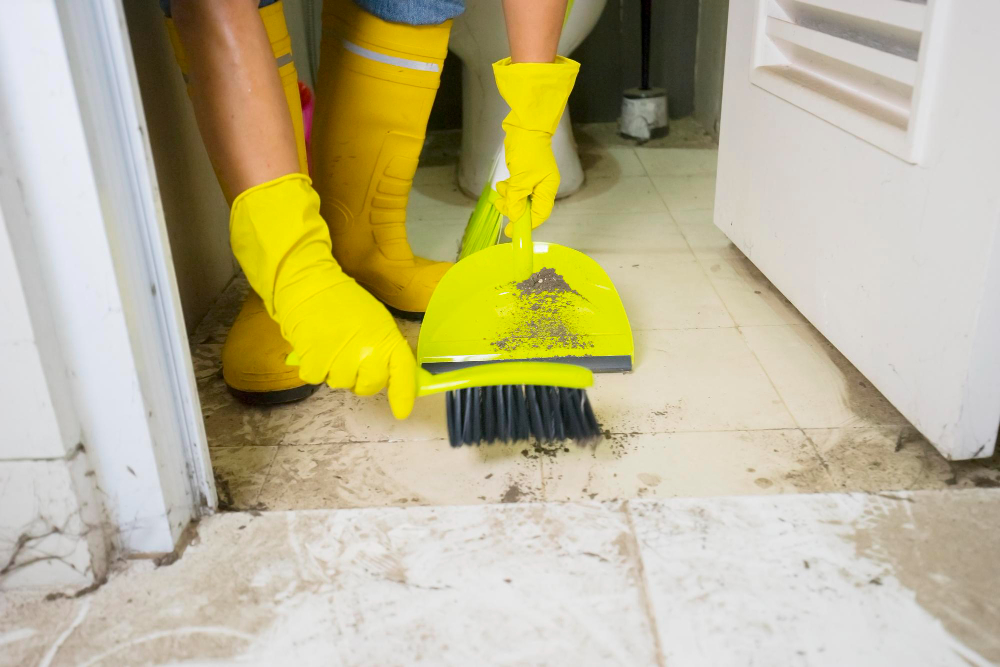
Entry tile takes every piece of grit, every wet shoe and every dropped bag that comes into the house. The grout in those six or eight feet of floor darkens faster than grout anywhere else, and it does it while the tile beside it still looks fine.
We clean tile and grout across Los Angeles and the San Fernando Valley, and entry areas are where homeowners most often assume the grout has simply changed color permanently. In most cases it has not. It is holding soil that mopping never reached.
Peter and Jackie Shams handle every job personally. The tile and grout cleaning service covers entryways, mudrooms and the rest of the hard surfaces in a home, with the method chosen by what the surface actually is.
Why Entry Grout Goes Dark First
Grout is porous. The surface holds thousands of small openings, and soil settles into them under foot pressure rather than sitting on top where a mop can collect it.
Entry areas concentrate the worst version of this. Outdoor grit arrives on every shoe, and because it is abrasive and angular it works into grout pores more aggressively than household dust does. Each footstep presses it further down.
Water makes it faster. Wet shoes carry dissolved soil that flows into the grout and dries there, leaving the material behind inside the pore. This is why a rainy week produces a visible step change in entry grout that never quite recovers.
What Mopping Does and Does Not Do
A mop cleans the tile face. Tile is non porous or close to it, so soil sits on the surface and lifts away easily, which is why the tile keeps looking acceptable while the grout between it does not.
On grout, a mop does something closer to harm. It pushes dirty water across the surface and into the pores, then leaves it there to dry. The grout line ends up holding a mixture of the original soil and whatever the mop was carrying.
Detergent residue compounds it. Most household floor cleaners leave a film that attracts soil, and in grout pores that film accumulates faster than anywhere else on the floor. This breakdown of what causes black grout covers how that buildup develops over months.
Entry grout looking permanently dark? It usually is not. Call us (818) 263-9314, and we will tell you what is actually recoverable.
How Professional Cleaning Reaches the Pore
The method is high pressure hot water extraction, and the key difference from mopping is where the dirty water goes. Pressurised hot water is injected into the grout line and immediately recovered into a tank, so the released soil leaves the building rather than settling back onto the floor.
A cleaning solution goes down first and is given time to break down the soil and any residue inside the pore. Mechanical agitation follows on heavier areas, working the solution into the grout line rather than skating across the top of it.
Surface identification comes before any of that. Ceramic and porcelain tolerate stronger chemistry than natural stone, and travertine, marble and limestone etch permanently on contact with acidic products. Peter identifies the material before selecting anything, and Green Seal certified products go down on every job regardless of surface.
Sealing Is What Makes It Last
Clean grout with open pores starts collecting soil again immediately. Sealing fills those pores so material sits on the surface where it can be removed rather than working its way down.
The optimal moment to seal is right after cleaning, when the pores are clear and the grout is dry. Sealing over soiled grout traps the soil underneath, which is worse than not sealing at all.
Entry and mudroom grout benefits from sealing more than anywhere else in a house, because it sees the heaviest soil load and the most moisture. Most residential grout holds its seal for one to three years, while entry areas often need attention sooner. A simple test tells you when: put a few drops of water on the grout line and wait ten minutes. Water that absorbs means the sealer has been depleted.The guide to grout sealing after cleaning covers sealer types and what each suits.
Keeping Entry Tile Clean Between Visits
Mats do the heaviest lifting. One outside the door and one inside catch a large share of the grit before it reaches tile, and both need shaking out weekly or they stop working.
Sweep or vacuum before mopping, every time. Running a wet mop across dry grit grinds it into grout lines and moves it around rather than removing it, which undoes the point of the mopping.
Change mop water frequently and use a pH neutral cleaner rather than anything acidic or heavily detergent based. Dirty water is the main reason grout darkens between professional visits, and a residue forming product accelerates everything described above.
One honest limitation worth stating. Grout that is cracked, crumbling or missing in sections needs replacing rather than cleaning, and grout with mold that has penetrated below the surface is in the same category. Peter assesses the condition before recommending cleaning, sealing or regrouting, and if cleaning will not deliver the result you are picturing, you hear that before the job is scheduled rather than afterward.
Entry tile letting the rest of the house down? Get us a call at (818) 263-9314 or book online. Peter and Jackie handle every job personally, Monday through Sunday, 7am to 9pm.
Related Topics
- Can Professional Carpet Cleaning Remove All Stains?
- What to Expect During a Carpet Cleaning Appointment


