

The first two days after a cleaning decide how long the result lasts. Carpet fiber is open and still holding moisture during that window, which makes it more receptive to new soil than it will be at any other point in the year.
We clean carpet across Los Angeles and the San Fernando Valley, and the difference between a floor that still looks good at month six and one that looks tired at month two usually comes down to what happened on day one. Peter and Jackie Shams hand over the same short list at the end of every job. Our hot water extraction carpet cleaning is the work this routine is designed to protect.
None of it is complicated. Most of it is about staying out of the way while the carpet finishes drying, then settling into a routine that keeps grit from rebuilding at the base of the pile.
Get the Air Moving and Keep It Moving
Dry time runs four to six hours for most carpet, and air movement is the only variable that meaningfully shortens it. Still air leaves moisture sitting in the fiber and the backing, which is where the problems start.
Run ceiling fans in every cleaned room and leave them running past the point where the carpet feels dry to the touch. The surface dries well before the base of the pile does, and a floor that feels dry at hour three may still hold moisture down near the backing.
Air conditioning works better than open windows in most Los Angeles conditions, because it pulls humidity out of the air rather than inviting more in. Open windows help on a dry day with a breeze and work against you on a humid one. The notes on speeding up carpet drying cover how to judge which applies.
Stay Off the Carpet, Then Walk on It Carefully
Keep traffic off cleaned areas entirely for the first few hours where you can. Damp fiber picks up soil faster than dry fiber, and anything tracked on during that period goes deeper than it would normally.
When you do need to cross, wear clean socks. Shoes carry outdoor grit directly into open fiber. Bare feet transfer skin oils, which attract soil and leave faint dark patches that show up weeks later in exactly the paths people took.
Pets should be kept out of cleaned rooms until the floor is fully dry. Paws track soil the same way shoes do, and a cat or dog that lies down on damp carpet leaves dander and oils in fiber that has no protection on it yet. Rugs stay rolled until the carpet beneath is dry, and anything due attention of its own can go through an area rug cleaning service while it is up.
Not sure whether your carpet is actually dry yet? Call us (818) 263-9314, and press a white cloth into the pile. Any color transfer means it needs more time.
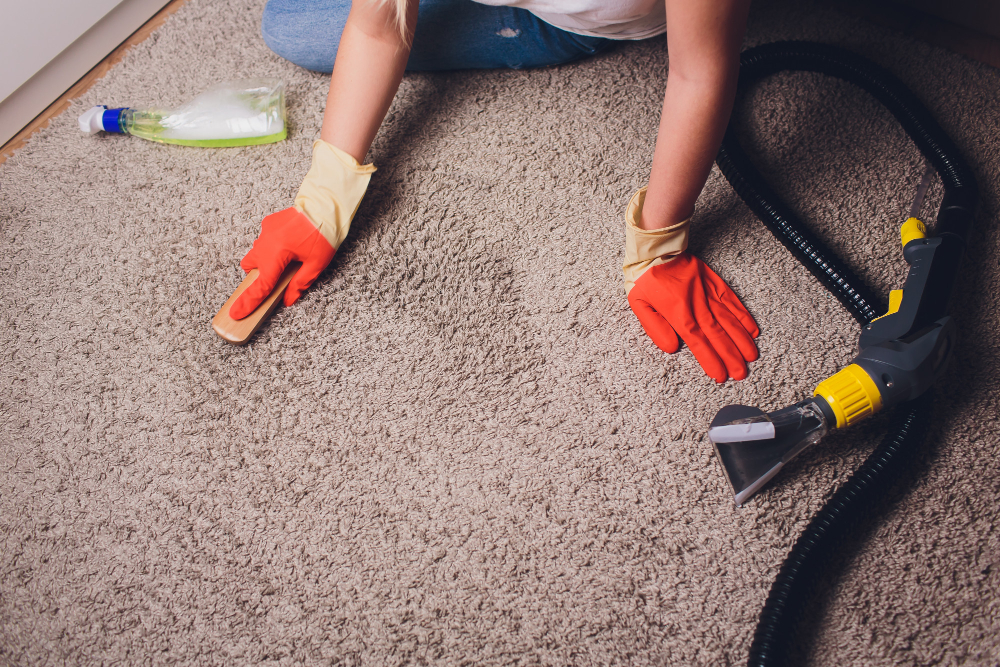
Put Furniture Back the Right Way
Wait for the carpet to be genuinely dry before moving furniture back. Wooden legs sitting on damp fiber can bleed stain into the carpet, and metal feet can leave rust marks that are considerably harder to remove than whatever you just had cleaned.
If something has to go back early, place protective tabs or small squares of plastic under each contact point. We carry these and will leave them with you when the job involves pieces that need to return quickly.
Pieces that need protection under their contact points before they go back:
- Wooden legs on sofas, beds and dining tables
- Metal feet on chairs, shelving and bed frames
- Anything with a dark stain or painted finish
- Plant pots and anything that holds water
- Heavy items that will sit in one position for months
Heavy items benefit from a slight position change. Shifting a sofa a few inches from where it sat before means the compressed pile underneath gets a chance to recover while the newly exposed area takes the weight. A floor that has just been cleaned and groomed is the easiest moment to make that adjustment.
Handle the First Few Weeks Differently
Vacuum lightly a day or two after the cleaning, then settle into your normal routine. That first pass lifts any fiber that settled during drying and removes the small amount of loosened material that worked its way up as the carpet dried.
Spills need faster attention than usual during the first weeks. Blot with a clean white cloth, work from the outside toward the middle, and use cold water only. Heat sets protein based material into fiber permanently, which is the most common way a minor spill becomes a lasting mark.
If a faint stain reappears a few days after cleaning, that is wicking rather than a failed cleaning. Material deeper in the backing travels upward as remaining moisture evaporates and surfaces again. A full explanation of why carpet stains return after cleaning covers what causes it and when a second pass resolves it. Call if it happens, because a second pass usually fixes it.
Build the Routine That Protects the Result
Vacuuming slowly is the single highest value habit. Two or three slow passes across traffic lanes pull grit up out of the pile, while quick passes only collect what is sitting on the surface.
Entry mats inside and outside the main doors catch a large share of the soil that would otherwise reach your carpet. Both need shaking out or vacuuming weekly, since a loaded mat stops working and starts contributing.
Plan the next professional cleaning before you forget. Most residential carpet does well at twelve to eighteen months, while homes with pets, children or heavy traffic do better at six to twelve. Keeping the interval consistent matters more than the exact number, because carpet that is cleaned before soil becomes embedded stays in good condition far longer than carpet rescued after the fact.
One honest limitation worth stating. Traffic lanes that were already matted before cleaning will look better and will not look new. Fiber that has been physically cut by years of embedded grit is damaged rather than dirty, and no aftercare routine reverses that.
Due for your next cleaning, or seeing something you did not expect after the last one? Get us a call at (818) 263-9314 or book online. Peter and Jackie handle every job personally, Monday through Sunday, 7am to 9pm.


