Tile and grout are among the surfaces in a home that show their condition most clearly when guests are present. Grout lines that have darkened from cream or light gray to brown or near-black are difficult to overlook, and no amount of household scrubbing fully restores them once the soil has embedded itself deep into the pore structure. Mopping addresses the tile surface. It does not address the grout.
At JP Carpet Cleaning Expert Floor Care, we clean tile and grout throughout Los Angeles and the San Fernando Valley, and the period before Thanksgiving and the winter holidays is consistently one of the busiest stretches of the year for this service, alongside our professional carpet cleaning services. Homeowners who want the work done before a gathering need to plan ahead, because the calendar fills up early and the last-minute window is often already booked.
Why Grout Gets Dark Even With Regular Mopping
Grout is porous. That open pore structure makes it flexible and durable as a material, but it also makes it effective at trapping soil. Regular mopping moves cleaning solution and water across the tile surface and into the grout lines, but it does not extract soil from the pore. It redistributes it. Over time, that redistribution compresses soil progressively deeper into the grout pore, and each mopping cycle pushes some of that soil further in rather than pulling it out.
The darker the grout has become, the longer that compression process has been going on, and what causes black grout is almost always time rather than neglect. Kitchen grout accumulates grease and food particles on top of general floor soil. Bathroom grout deals with soap scum and the mineral deposits that come with regular moisture exposure. Entry tile takes tracked outdoor soil directly from shoes and foot traffic. Each environment loads the grout differently, but the end result across all of them is the same: a surface that mopping alone, regardless of frequency, cannot restore to its original appearance.
What High-Pressure Hot Water Extraction Does for Tile and Grout
Professional tile and grout cleaning uses high-pressure hot water to flush soil out of the grout pore and recover it in a closed extraction tank rather than redistributing it across the floor surface. The pressure is high enough to dislodge embedded soil that has been compressed into the grout over months or years of regular use. The hot water temperature activates the cleaning chemistry and breaks down grease and organic deposits more effectively than room-temperature water.
The difference between professional extraction and household scrubbing is visible immediately after the service is complete. Grout that has been flushed rather than scrubbed has soil removed from its pore structure rather than partially displaced from the surface. The result is grout that returns to something close to its original color rather than grout that looks temporarily lighter because the surface was disturbed but the embedded soil remains inside the pore.
Grout Sealing After Cleaning
Grout sealing after cleaning is the step that protects the result and extends the interval before the next cleaning is needed. A penetrating grout sealer fills the surface pores with a protective compound that resists soil absorption. Sealed grout does not trap soil the same way unsealed grout does, and it is significantly easier to maintain with regular mopping between professional cleaning cycles.
The right time to apply sealer is directly after professional extraction, when the grout has been cleaned to the pore level and is in the best condition to accept the sealer. Applying sealer to grout that has not been professionally cleaned first seals the residual soil in rather than protecting against future soil. Kitchen grout benefits from resealing annually because of the grease and moisture it is exposed to continuously. Bathroom and other residential grout in lower-traffic areas typically holds its seal for one to three years depending on the product and the conditions in the space.

Kitchen Tile and Grout: The Highest-Load Zone in the Home
Kitchen tile and grout accumulates a category of soil distinct from every other surface in the house. Cooking releases grease particles into the air that settle onto every horizontal surface, including tile and grout near and around the cooking area. High heat near the stove accelerates the bonding of those grease deposits to the grout surface. Food preparation near the sink means constant exposure to organic material and moisture. The combination creates a soil type that is more deeply embedded and more resistant to standard cleaning than the soil found on bathroom or entry tile.
Pre-holiday cleaning in the kitchen makes a visible difference not just in the grout lines but in the overall appearance of the space. Guests move through kitchens during gatherings regardless of whether the host intends it, and tile that has been professionally cleaned reads differently from tile that has been maintained exclusively with a mop and consumer products. The difference is not subtle once the cleaning has been done and the two states can be seen side by side.
Tile Surfaces Beyond the Kitchen Floor
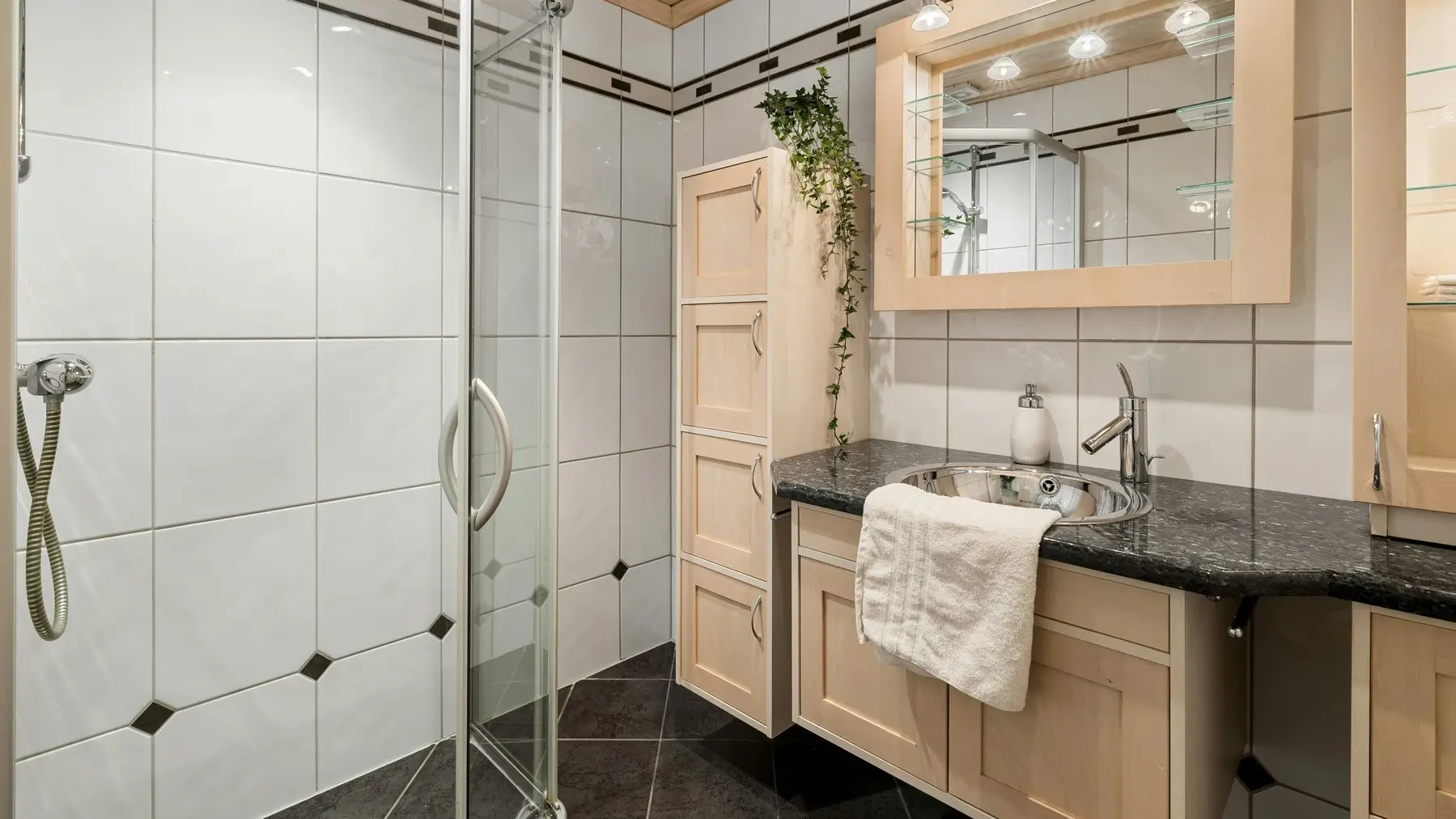
Tile and grout cleaning is relevant for more surfaces than just the kitchen floor. Bathroom tile on both the floor and the walls accumulates soap scum and hard water deposits that change the texture and appearance of the grout over time. Entry tile in Los Angeles homes, particularly those with stone tile in foyer areas, takes tracked outdoor soil and the wear that comes from foot traffic on surfaces that may not be sealed frequently enough.
Backsplash tile in kitchens takes concentrated grease and cooking residue at eye level, which makes it highly visible to anyone standing in the space. That grease builds up differently than floor grout and requires cleaning chemistry matched to what is actually on the surface rather than a single product applied uniformly to all tile in the home. We look at each surface and the soil it carries before selecting the approach for that specific area.
Scheduling Before the Holidays
The pre-holiday period is one of the highest-demand windows of the year for tile and grout cleaning. Homeowners who want the service completed a week before Thanksgiving or a week before a December gathering need to book well ahead of that target date, not the week of. Two to three weeks of lead time is a more realistic buffer during the holiday season when the calendar fills quickly.
After the cleaning is complete, tile and grout should be ready for normal use within a few hours under standard air circulation conditions. Grout sealer, if applied, requires time to cure fully before the tile is exposed to water or heavy foot traffic. We give specific guidance on that window based on the product used and the conditions in the space, so there are no last-minute concerns about timing before the event.