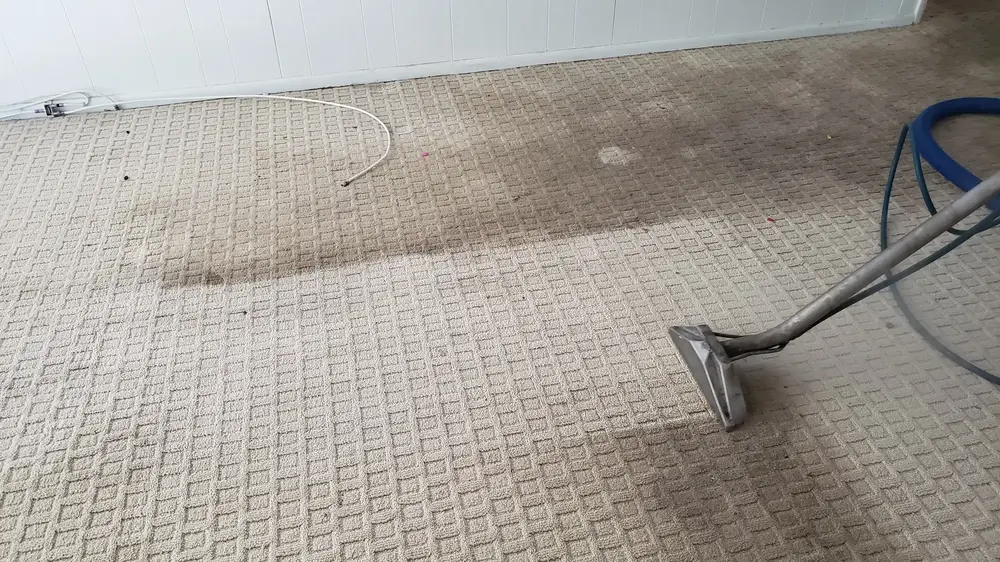
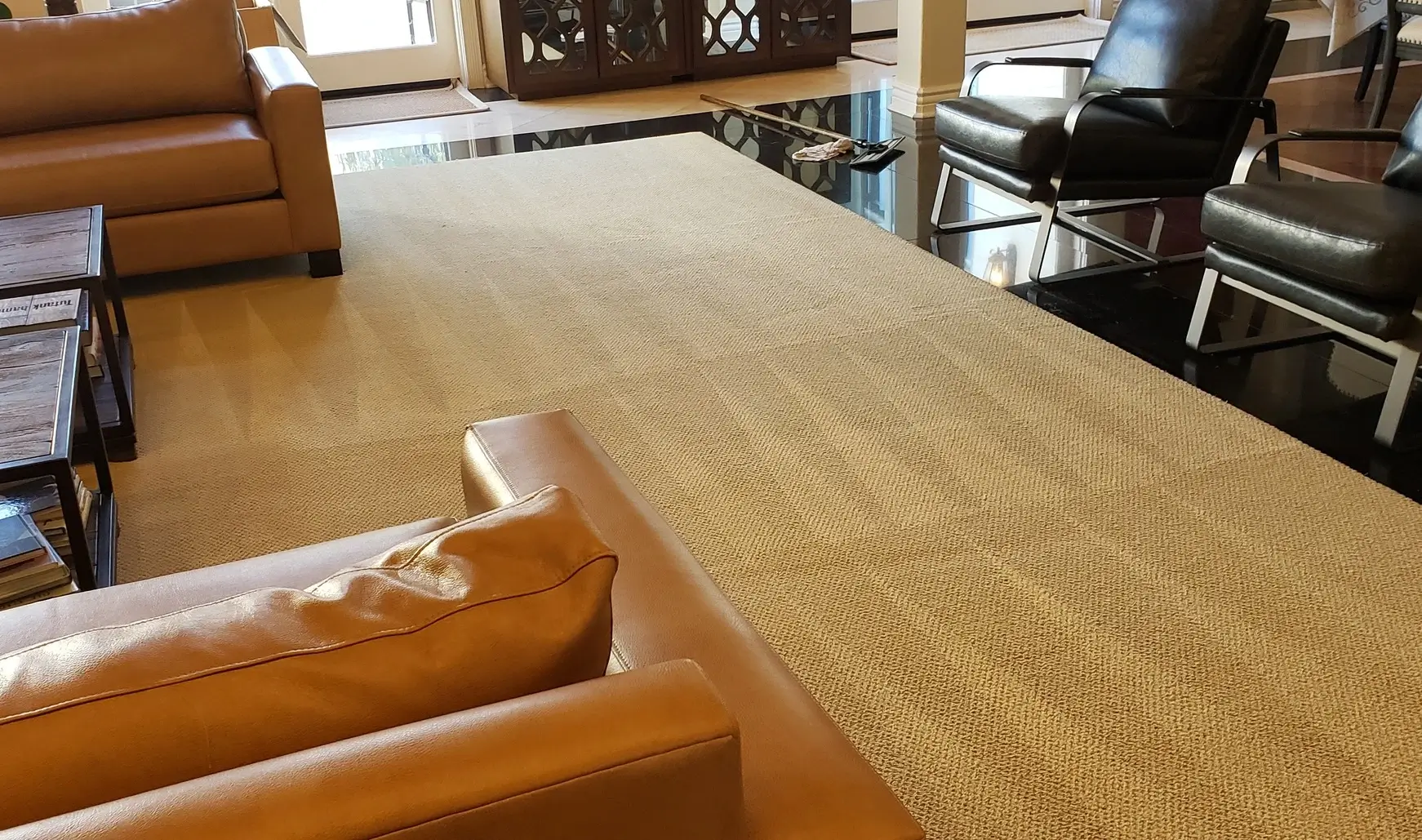
Few things frustrate a homeowner more than paying for a cleaning and watching the carpet look worse two days later. The discoloration usually appears in patches, often along traffic lanes or near the edges of a room. It tends to show up after the floor has dried, not while it is wet. Kind of a delayed disappointment, you know.
We are JP Carpet Cleaning Expert Floor Care, and we have been cleaning carpet across Los Angeles since 2007. As a reliable carpet cleaning provider, we have seen browning come up as one of the more common callbacks in this trade. In most cases, it is a predictable result of something specific rather than bad luck.
What Browning Actually Is
Browning describes discoloration that surfaces during or after drying, usually tan, yellow, or amber in tone. It is different from a stain because nothing new was spilled on the carpet. The material causing it was already on the floor, and the cleaning moved it.
Direction is the thing to understand, and it comes down to how each stage of a proper carpet cleaning guide works together, from pre-treatment to extraction to drying. Soil and dissolved material travel with moisture, and as water evaporates from the surface, it draws whatever is dissolved in it upward through the pile. Anything left in the backing when the extraction stopped has a route to the top.
That is why browning tends to appear a day after the appointment rather than during it. The carpet looked fine while wet because the material had not finished traveling yet.
Cellulosic Browning in Natural Fibers
Jute backing, cotton, sisal, and wool contain cellulose, and cellulose releases tannins when it gets wet. Those tannins are yellow to brown, they migrate with moisture, and they deposit at the tips of the fiber as the carpet dries.
Older wool carpet and area rugs with jute backing are the usual candidates. So is any carpet where the backing got wetter than it should have, because the more water reaches the jute, the more tannin it releases. The discoloration is frequently worst at the edges of a room where extraction passes tend to be least thorough.
Cellulosic browning is a chemistry problem, and it responds to chemistry. An acidic browning treatment neutralizes the tannin, and controlled drying keeps it from recurring. Scrubbing it or cleaning it again with the same approach usually makes it worse.
Wicking and Overwetting
Wicking is the most common cause we find, and it comes down to how much water went in versus how much came out. Soil that had settled deep in the pile and backing dissolves during cleaning, and if extraction does not remove enough of that solution, evaporation carries the remainder to the surface.
Traffic lanes show it first because that is where the soil load is heaviest. A hallway that looked dramatically improved on the day of cleaning can develop gray or tan streaks along the same path within 48 hours as deep soil resurfaces.
Portable machines contribute to this disproportionately, which is part of why understanding the cost of carpet cleaning in 2026 matters when comparing providers, since lower-priced services often rely on equipment with less suction. Lower suction leaves more solution in the carpet, longer dry times give that solution more opportunity to travel, and the result is a floor that improves briefly and then regresses.
| Cause | How it looks | What corrects it |
|---|---|---|
| Wicking | Streaks following traffic patterns, appears 1 to 2 days later | Re-extraction with strong suction and proper drying |
| Cellulosic browning | Yellow to amber tone, often worst at room edges | Acidic browning treatment and controlled drying |
| Detergent residue | Rapid resoiling, sticky or crunchy feel underfoot | Neutralizing rinse to strip residue |
Residue From Previous Cleanings
Some browning has nothing to do with the most recent appointment. Shampoo and low-cost detergent systems leave residue behind; that residue is sticky, and it attracts soil continuously until something removes it.
A carpet in this condition can look acceptable for weeks and then discolor quickly whenever it is cleaned again, because the new moisture reactivates everything that was left in the fiber. Homeowners often read this as the newest cleaner having caused the problem when the residue was deposited long before.
Rental machines and consumer carpet shampoos are frequent sources. Both tend to apply more product than can realistically be rinsed out with the suction available, and neither includes a neutralizing rinse step.
If your carpet has browned after a cleaning, do not clean it again with the same method. Call us and let us identify which of the three causes you are dealing with first.
How We Prevent and Correct It
Prevention starts with fiber identification. Peter checks fiber type and backing construction before selecting chemistry, because a wool rug with jute backing and a nylon wall-to-wall carpet cannot be treated the same way without risking exactly this outcome.
Water control does the rest. Truck-mounted hot water extraction generates stronger suction than portable equipment, which means more of what goes in comes back out, and the resulting 4- to 6-hour dry time gives dissolved material far less opportunity to migrate. The machine stays in the van, and only the wand and hoses come into the house.
Signs your browning needs professional correction rather than another cleaning:
- Discoloration that returned within days of a previous cleaning
- Yellow or amber tone rather than gray, particularly on wool or jute-backed carpet
- Carpet that feels sticky or crunchy underfoot
- Streaks that follow walking paths rather than sitting in defined spots
- Areas that resoil noticeably faster than the rest of the room
Our IICRC carpet cleaning certification covers pH management and dye stability, which is the same body of knowledge that browning correction draws on. Green Seal certified products are used on every job, including correction work.
Frequently Asked Questions
Will carpet browning go away on its own?
Generally no. Wicking may fade slightly as the carpet is vacuumed over following weeks, but cellulosic browning and detergent residue both persist until treated. Residue in particular gets worse over time because it keeps attracting soil.
Can I fix browning myself?
Homeowner attempts usually deepen the problem, because the common instinct is to clean the area again with more moisture and no extraction power. That adds water, reactivates the tannins or residue, and gives the material another trip to the surface. Correction requires the right chemistry and strong extraction.
Does browning mean the carpet is ruined?
Rarely. Most browning is a surface deposit rather than a change in the fiber itself, which means it responds to correct treatment. The exceptions are carpets where prior chemical damage has altered the dye, and we identify that during assessment.
Why did my carpet look great on cleaning day and bad two days later?
That timing points to wicking. The dissolved soil was still in the backing when the technician left and traveled upward as the floor dried. Stronger extraction and shorter dry times are what prevent it.
Are wool carpets more likely to brown?
Yes. Wool is a natural fiber, it holds moisture longer, and it is frequently paired with jute backing that releases tannins. Wool needs pH-appropriate chemistry and careful moisture control, which is why fiber identification comes before anything else.
If a previous cleaning left your carpet discolored anywhere in the San Fernando Valley, get in touch with us at (818) 263-9314 or email info@jpfloorcare.com, and we will diagnose the cause before touching the floor.
Related Topics: