The interval people quote most often comes from The Carpet and Rug Institute, which recommends professional hot water extraction at least once every 12 to 18 months for typical residential carpet. That figure assumes an average household. And, you know, very few households are actually average.
We are Peter and Jackie, and our experienced carpet cleaning crew has been working across the San Fernando Valley since 2007. The question we get asked more than any other is whether a floor is due yet. The honest answer usually depends on things a schedule just cannot see.
The Baseline Interval and Where It Comes From
The 12- to 18-month figure exists because embedded soil behaves like sandpaper. Dry grit works its way to the base of the pile, and every footstep grinds it against the fiber, cutting it in a way no cleaning can reverse later.
Vacuuming handles what sits near the surface and does almost nothing about what has settled at the base. That gap is what professional extraction is meant to close, and it is why the interval is measured in months rather than years, even in homes that look clean.
Waiting longer does not save money in any meaningful sense. A carpet replaced at year ten because it was never cleaned costs considerably more than a decade of extraction appointments, and the wear pattern that forces the replacement is permanent by the time it becomes visible.
Beyond protecting the fiber, staying on schedule brings real health benefits of carpet cleaning, since extraction removes allergens and trapped particles that vacuuming leaves behind.
What Shortens the Interval
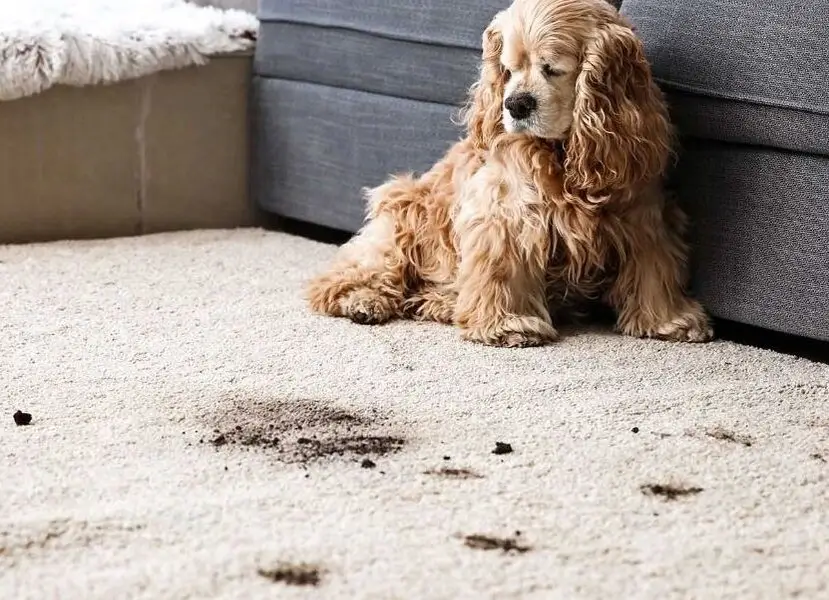
Pets are the single largest factor. Dander, tracked soil, body oils, and accident residue accumulate faster than most owners expect, and odor builds gradually enough that people stop noticing it in their own homes. Households with pets generally sit in the 6- to 12-month range.
Children compress the cycle for different reasons. Food and drink spills, play areas that see constant contact, and shoes coming in from outside all load the carpet in specific rooms rather than evenly across the house.
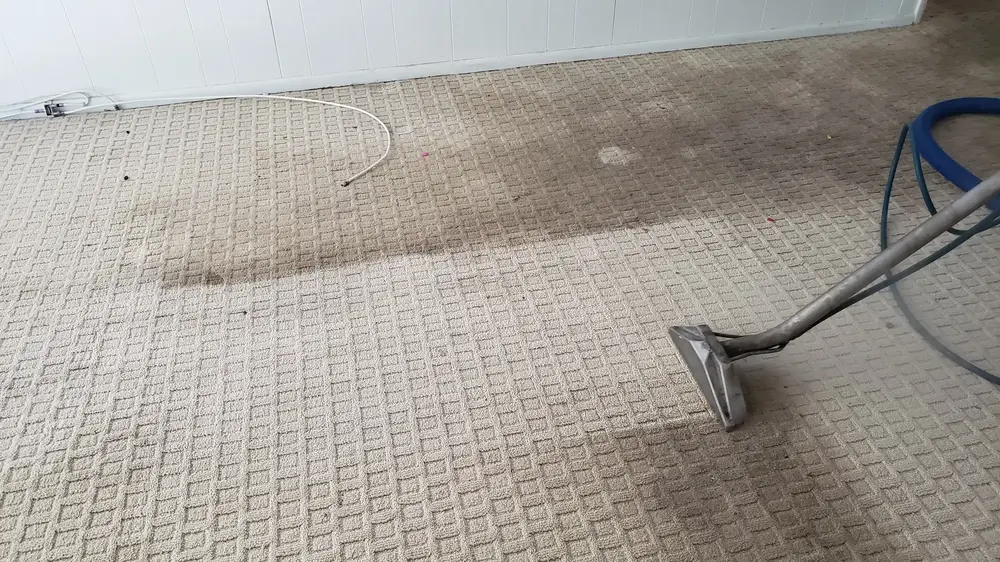
Traffic lanes are the third driver, and they are the reason most homes need cleaning before they think they do. Hallways, stairs, and the path between a kitchen and a living room take a disproportionate share of the wear, and the visible graying in those lanes is soil that has already begun cutting fiber.
If your traffic lanes are already showing wear, it helps to know what to expect from a professional carpet cleaning service before booking one.
| Household type | Suggested interval | What drives it |
|---|---|---|
| No pets, low traffic | 18 to 24 months | Slow soil accumulation |
| Typical family home | 12 to 18 months | Baseline recommendation |
| Pets or small children | 6 to 12 months | Dander, spills, accident residue |
| Heavy traffic or commercial | 6 to 12 months | Volume of foot traffic and outside soil |
What Lets You Stretch It Further
Rooms that get used rarely can go longer without any real risk. Formal living rooms, guest bedrooms, and home offices with one occupant often hold up well at 18 to 24 months, and there is no benefit to cleaning them on the same schedule as a hallway.
Entry habits matter more than people credit. A household that takes shoes off at the door, runs mats at every entrance, and vacuums traffic lanes weekly will genuinely reach the longer end of any range, because most of what damages carpet arrives on the bottom of a shoe.
The one thing that does not extend the interval is appearance. Carpet hides soil well until it does not, and by the point a mid-tone carpet looks visibly dirty across a whole room, it is usually carrying a heavy load in the traffic lanes.
Signs a floor is due before its scheduled date:
- Traffic lanes reading gray or dull against the rest of the room
- Odor that does not clear after vacuuming and airing the space
- Carpet that feels crunchy or stiff underfoot rather than soft
- Pet odor that returns on warm days after a previous cleaning
- A spill, water event, or accident that soaked into the pile
If you are not sure whether your carpet is due, ask us at (818) 263-9314 to look at it. We would rather tell you to wait six months than clean something that does not need it.
Warranty Requirements Most Homeowners Miss
A number of carpet manufacturers require documented professional cleaning at set intervals for the warranty to stay valid. The interval is frequently 18 months or shorter, and the requirement usually specifies hot water extraction performed by a certified professional.
Homeowners often learn this at the worst possible moment: when they file a claim for delamination or premature wear and are asked for cleaning records they never kept. Keeping invoices costs nothing and protects a warranty that may be worth thousands.
Check the documentation that came with the carpet, or with the builder if it was installed before you moved in. Where a warranty specifies a method, hot water extraction is almost always the one named.
How We Set a Schedule After Looking at the Floor
Peter walks the space before quoting anything and looks at pile type, traffic patterns, and how the soil is actually distributed. A three-bedroom house rarely needs every room cleaned on the same cycle, and pretending otherwise inflates the job.
Our carpet work runs on truck-mounted hot water extraction. The machine stays in the van, and only the wand and hoses come into the house, which gives higher water temperature and stronger suction than the portable units common among independent operators. Most carpets are dry in 4 to 6 hours afterward.
We hold IICRC certification in carpet cleaning, which covers fiber identification and cleaning chemistry rather than a general endorsement, and we use Green Seal certified products on every job as the standard rather than an upgrade. When a floor does not need cleaning yet, we say so and put a date on the calendar instead.
Frequently Asked Questions
Can carpet be cleaned too often?
No, not with correctly performed hot water extraction. Cleaning too rarely causes far more damage, because embedded grit abrades fiber every time someone walks across it. There is no practical over-cleaning risk with a certified professional method.
How often should commercial carpet be cleaned?
Offices and hospitality spaces typically need cleaning every 6 to 12 months, and entry areas or main corridors often need it quarterly. The right schedule depends on foot traffic volume and how much outside soil arrives at the door. We assess the space and recommend an interval based on what we see.
Does professional cleaning void a carpet warranty?
The opposite is usually true. Many warranties require proof of professional cleaning at stated intervals to remain valid, and hot water extraction is commonly the specified method. Keep your invoices as documentation.
How long does carpet take to dry afterward?
Most carpets dry in 4 to 6 hours. Air circulation from fans, open windows, or air conditioning shortens that. Thick pile and wool take longer, and we tell you what to expect before we start.
Should every room be cleaned at the same time?
Not necessarily. Rooms wear at different rates, and cleaning a rarely used guest room on the same cycle as a main hallway adds cost without adding benefit. We will tell you which rooms are genuinely due.
Call us at (818) 263-9314 or email info@jpfloorcare.com to have your floors looked at, and we will give you an interval based on what your carpet is actually carrying rather than a generic schedule.
Related Topics: