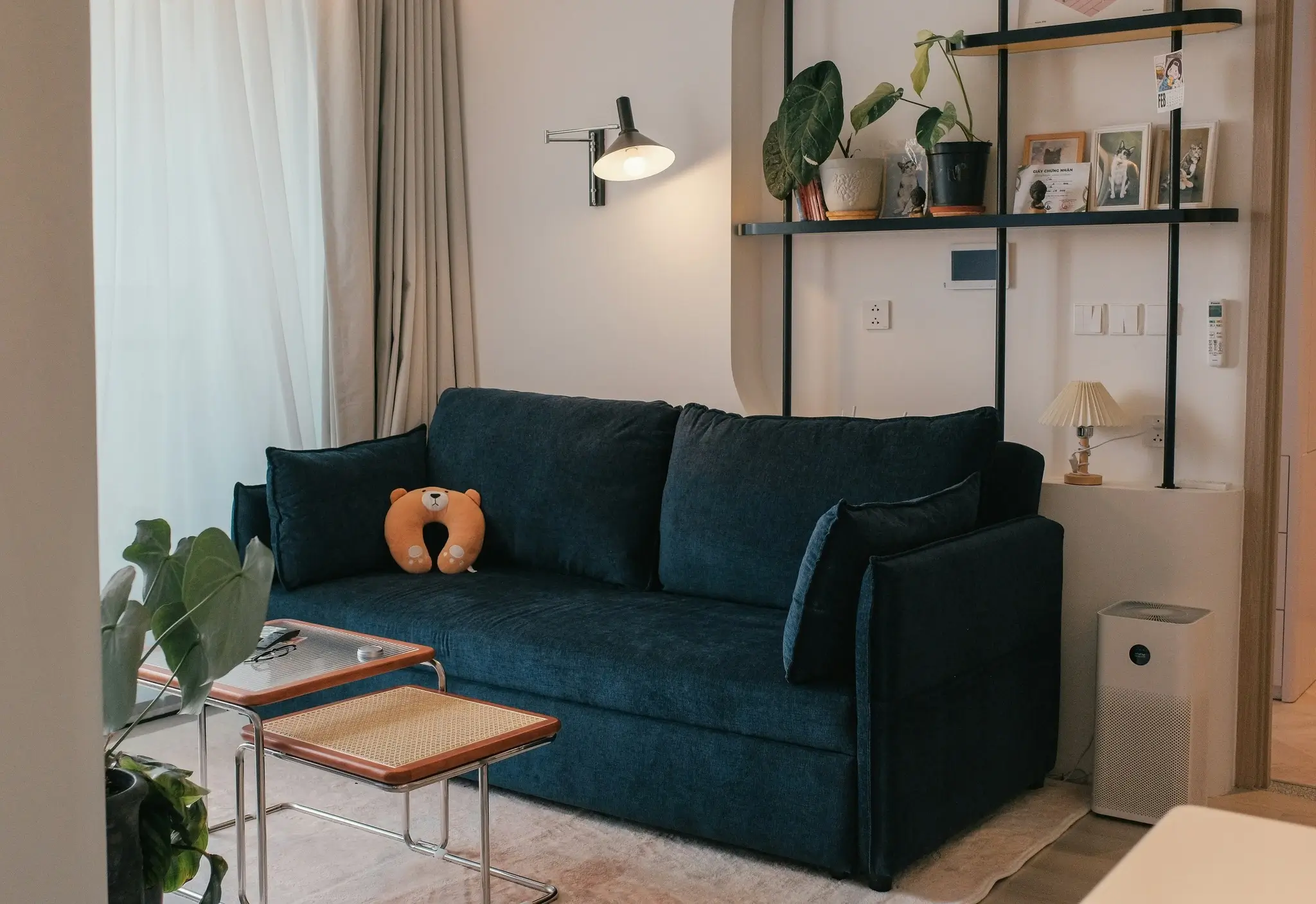
Sofas and sectionals are used daily, vacuumed rarely, and professionally cleaned even less. Much like full service carpet cleaning in Los Angeles, professional upholstery care addresses what regular home maintenance cannot: body oils, pet dander, food particles, allergens, and odor-causing compounds that work deep into the fabric over time.
Professional upholstery cleaning removes what has built up below the surface and restores fabric condition without damaging the material. Here is what the process involves, when to schedule it, and what to look for before you book.
Why Upholstery Gets Dirtier Than It Looks
Fabric on sofas and sectionals is in direct daily contact with people and pets. Skin oils transfer from contact. Pet dander settles and clings to the fiber. Food particles fall into cushion seams and the fabric face. All of these work their way below the visible surface where they contribute to odor and allergen buildup without being immediately visible.
A sofa that does not look dirty can still hold months of accumulated material that routine vacuuming does not reach. The fabric face may look acceptable while the fiber below holds buildup that affects the air quality of the room.
The Cleaning Codes on Upholstery: What They Mean
Upholstered furniture typically carries a manufacturer cleaning code, usually found under a seat cushion or on the frame. These codes are:
- W means water-based cleaning methods are safe
- S means solvent-based cleaning only; water can cause damage or water marks
- W-S means either water-based or solvent-based methods are safe
- X means vacuum only; no liquid cleaning of any kind
Using the wrong method on the wrong fabric causes shrinkage, water marks, color bleeding, or permanent texture damage. Our technicians identify the fabric type and check the manufacturer code before any cleaning begins. This step is not negotiable. It is how we avoid damaging furniture that clients trust us with.
What Professional Upholstery Cleaning Addresses
Our upholstery cleaning service goes beyond surface vacuuming. The process is matched to the specific fabric type and includes:
- Pre-inspection of fabric type, cleaning code, and any problem areas
- Pre-treatment appropriate to the fabric (water-based or solvent-based depending on code)
- Extraction or dry treatment matched to the fabric’s tolerance for moisture
- Spot treatment for visible staining on armrests, seat faces, and cushion edges
- Post-cleaning inspection
All products used are eco-friendly, pet-safe, and kid-safe. No harsh chemicals that leave residue on fabric your family sits on every day.
Pet Households: Upholstery and Odor
Sofas and sectionals in pet households present the same challenge as carpet in pet households. Pet dander is extremely fine and clings to fabric fibers. If a pet has had an accident on upholstery, the same enzyme-based treatment approach applies as with carpet: matching the treatment to the source of the odor rather than masking it.
Heavy pet odor that has soaked into cushion fill or foam may require a different level of treatment. We assess this honestly before starting. Cushion fill that is fully saturated may need replacement for full odor resolution, and we will tell you that before we begin rather than after.
Sectionals: More Fabric, More Complexity
A sectional sofa involves multiple connected pieces with a large total fabric surface area. Each section may have different exposure patterns, with armrests and seat faces accumulating more soil than back panels. Deep seams between cushions and sections trap debris that standard vacuuming cannot reach.
Our process treats all sections systematically, not just the most visibly soiled areas. Skipping sections that look acceptable leaves buildup in place that continues contributing to overall odor and allergen levels throughout the piece.
How Often Should Upholstery Be Professionally Cleaned?
Most upholstered furniture benefits from professional cleaning every 12 to 18 months. Pet households and pieces in heavy daily use benefit from annual cleaning. Visible soiling, persistent odor, or worsening allergy symptoms near specific pieces of furniture are signs that cleaning is needed before the next scheduled interval.
Combining upholstery cleaning with carpet cleaning in a single visit is practical for maintaining the overall cleanliness and allergen levels throughout the home. If you also have area rugs that need attention, our area rug cleaning service includes free pickup and delivery throughout Los Angeles and the San Fernando Valley.
Related Topics: